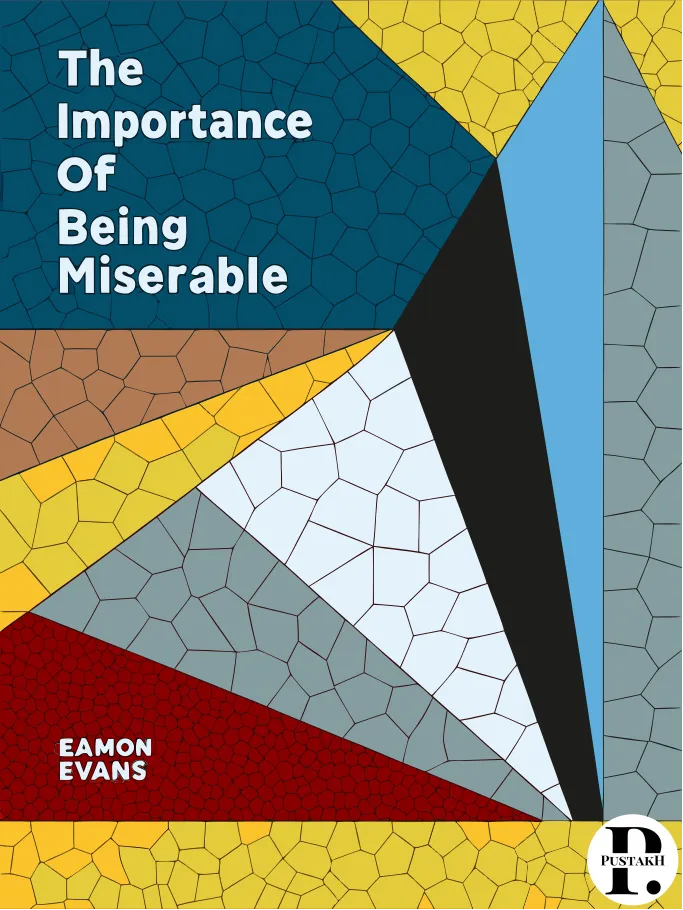
The Importance of Being Miserable
by Eamon Evans
A Short History of Human Happiness, and Why Sometimes it's Good to Feel Bad
24
Chapters
194+
Action steps
20
Minutes
PERSONALIZED
Action steps tailored to your goals in the Pustakh app
Preview — Chapter 01: Golden Years
There is a common belief that humanity once lived in a happier era. Whether imagined as simpler times, childhood innocence, or some distant golden age, nostalgia paints the past in warmer shades. This belief comforts us by suggesting that happiness was once effortless and has since been lost. The myth of a golden past reveals more about present longing than historical truth. Earlier generations faced relentless hardship, limited medical knowledge, economic instability, and frequent uncertainty. Survival itself was often precarious. Yet the expectation of uninterrupted happiness did not dominate cultural thinking. Emotional struggle was considered part of existence. What distinguishes modern life is not necessarily increased suffering but increased expectation. As comfort, safety, and technology improve, the threshold for dissatisfaction lowers. When survival becomes less urgent, comparison becomes more pronounced. We begin measuring our lives against idealized images rather than against historical context. Rising expectations without corresponding reality create frustration. When people assume that happiness should be constant, even minor setbacks feel disproportionate. Nostalgia amplifies this distortion by suggesting that earlier times were smoother and more fulfilling. In truth, human dissatisfaction has always existed. What differs is the story we tell about it. Recognizing that there was no perfect golden age restores perspective. Misery is not a uniquely modern phenomenon. It is part of being human. Accepting this reduces shame. Instead of interpreting unhappiness as evidence that something is wrong with us, we can view it as participation in a shared historical experience. Emotional fluctuation is not decline. It is continuity.
Keep reading on PustakhYou've read the opening. Here's where it gets practical.
The remaining 23 chapters, the full audio summary, and 194+ action steps personalized to your goals unlock with a free 3-day trial.
Start free 3-day trialNo credit card required · Cancel anytime
The Importance of Being Miserable summary — FAQ
What will I get from the The Importance of Being Miserable summary on Pustakh?
The key ideas of "The Importance of Being Miserable" by Eamon Evans, distilled into a roughly 15-minute read across 24 chapters, plus 194+ personalized action steps built around your goals and an optional audio version.
How long does the The Importance of Being Miserable summary take?
About 20 minutes to read the full summary on Pustakh, or you can listen to the audio version.
Does The Importance of Being Miserable have an audio summary?
Select Pustakh titles include audio summaries you can play in your browser, and new audio titles are added every week.
Is the The Importance of Being Miserable summary free?
You can read the introduction to "The Importance of Being Miserable" for free. Full access to every chapter and your personalized action steps is included with a Pustakh subscription. New accounts start with a free 3-day trial — no credit card required.
More Health & Wellness summaries
View all

194+ action steps from The Importance of Being Miserable, tailored to your goals in Pustakh
- Tailored to your context and what you are working on
- Personalized steps per chapter, not generic checklists
- Read and listen on your schedule—then act with clarity
- Unlock the full library with a simple subscription
We'll set it up as we learn what you're working on.