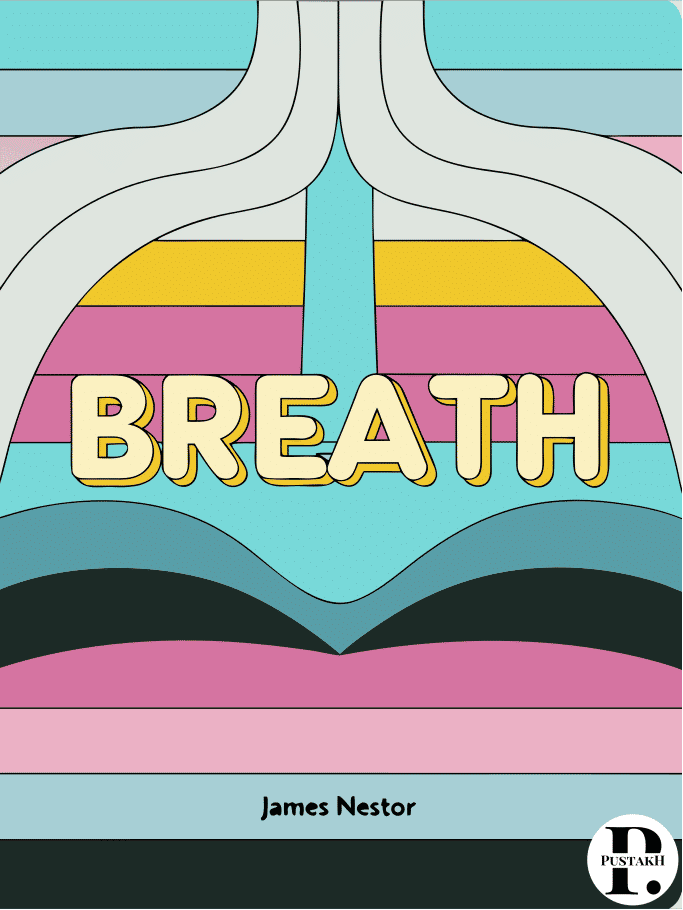
Breath
by James Nestor
The New Science of a Lost Art
11
Chapters
86+
Action steps
15
Minutes
PERSONALIZED
Action steps tailored to your goals in the Pustakh app
Preview — Chapter 01: The Worst Breathers in the Animal Kingdom
Humans - nature’s most complex species - have somehow become the worst at the simplest function: breathing. While nearly every other animal inhales effortlessly and symmetrically, modern humans wheeze, snore, gasp, and struggle through a process that should be automatic. Anthropologists examining ancient skulls found that our ancestors had broad jaws, perfect teeth, and straight nasal passages. They didn’t suffer from crooked teeth or chronic congestion because their faces were built for breath. But as civilization advanced, our diets softened, our posture collapsed, and our mouths literally shrank. The modern human face is shorter, narrower, and less capable of moving air efficiently. This slow evolutionary drift has consequences that ripple through every system of the body. Smaller jaws lead to crowded teeth, which reduce airway space. Mouths hang open, tongues rest low, and oxygen struggles to find its way to the lungs. As a result, people today experience sleep apnea, fatigue, anxiety, and even changes in brain chemistry - all because of poor airflow. It’s a kind of invisible suffocation, a gradual decline hidden beneath the routines of daily life. The tragedy is that we accept this as normal simply because it’s common. But awareness changes everything. Once you observe your breath - how shallow, how rushed, how uneven it feels - you start noticing where you’re restricting life itself. Retraining the breath doesn’t begin with fancy exercises; it begins with observation. Watch how a child or an animal breathes - through the nose, belly rising and falling, effortless and rhythmic. That’s the pattern we’ve lost and must relearn. The lungs aren’t just mechanical pumps; they’re conductors of chemistry and emotion. To breathe better is to live better, not metaphorically but literally. We’ve become a species that forgot how to be alive. Reclaiming the art of breathing starts with humility - admitting that evolution’s masterpiece has gone off track. But nature offers redemption: by returning to the patterns written in our DNA, we can regain the vitality, focus, and peace that deeper, conscious breathing brings. It’s not about becoming more advanced - it’s about coming back home to what the body always knew.
Keep reading on PustakhYou've read the opening. Here's where it gets practical.
The remaining 10 chapters, the full audio summary, and 86+ action steps personalized to your goals unlock with a free 3-day trial.
Start free 3-day trialNo credit card required · Cancel anytime
Breath summary — FAQ
What will I get from the Breath summary on Pustakh?
The key ideas of "Breath" by James Nestor, distilled into a roughly 15-minute read across 11 chapters, plus 86+ personalized action steps built around your goals and an optional audio version.
How long does the Breath summary take?
About 15 minutes to read the full summary on Pustakh, or you can listen to the audio version.
Does Breath have an audio summary?
Yes. "Breath" includes an audio summary you can listen to directly in your browser — no separate app required.
Is the Breath summary free?
You can read the introduction to "Breath" for free. Full access to every chapter and your personalized action steps is included with a Pustakh subscription. New accounts start with a free 3-day trial — no credit card required.
More Health & Wellness summaries
View all
86+ action steps from Breath, tailored to your goals in Pustakh
- Tailored to your context and what you are working on
- Personalized steps per chapter, not generic checklists
- Read and listen on your schedule—then act with clarity
- Unlock the full library with a simple subscription
We'll set it up as we learn what you're working on.