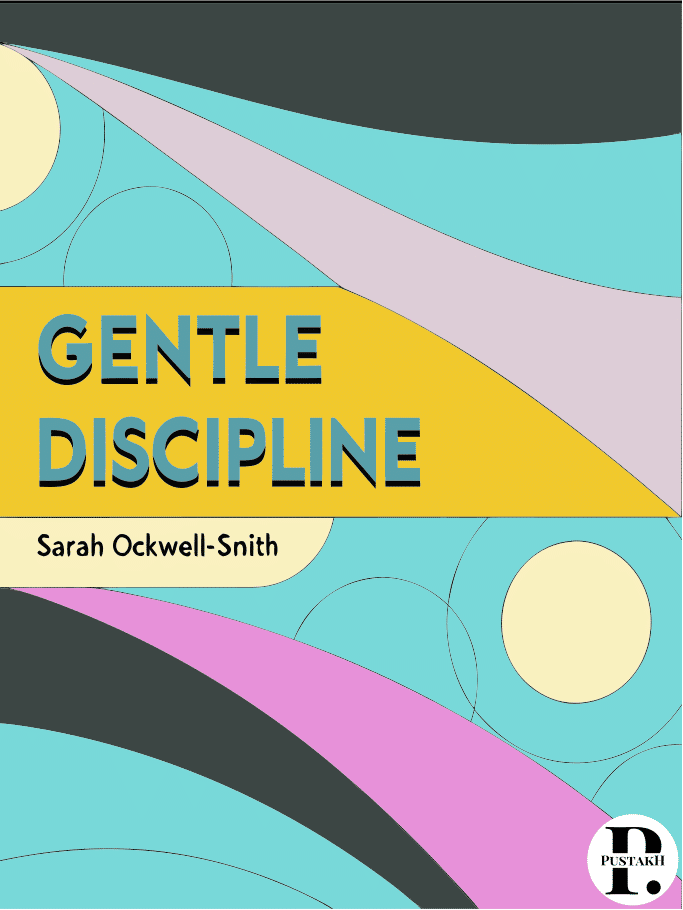
Gentle Discipline
by Sarah Ockwell-Smith
Using Emotional Connection - Not Punishment - to Raise Confident, Capable Kids
15
Chapters
96+
Action steps
17
Minutes
PERSONALIZED
Action steps tailored to your goals in the Pustakh app
Preview — Chapter 01: Why Children Misbehave
Misbehavior is often misunderstood as deliberate defiance, but at its core it is a signal that something deeper is going on. Children act out not because they want to be difficult, but because they are struggling with needs they cannot yet articulate or manage. Fatigue, hunger, overstimulation, anxiety, or the limits of their developmental stage frequently lie behind the outburst. When viewed through this lens, misbehavior becomes less about control and more about communication. Gentle discipline encourages parents to look beneath the surface instead of reacting only to the behavior itself. The focus shifts from “How do I stop this right now?” to “What is my child trying to tell me?” By approaching situations with curiosity rather than judgment, parents uncover the unmet needs that drive the unwanted behavior. This approach does not excuse poor choices, but it reframes them as opportunities for teaching and support. Understanding misbehavior in this way also reduces conflict. When children feel seen and heard, they are less likely to escalate. Responding with empathy helps build trust, while consistent boundaries provide security. Over time, the child learns healthier ways to express their emotions and needs. The heart of this perspective is simple: misbehavior is not the enemy to crush, but a message waiting to be understood.
Keep reading on PustakhYou've read the opening. Here's where it gets practical.
The remaining 14 chapters, the full audio summary, and 96+ action steps personalized to your goals unlock with a free 3-day trial.
Start free 3-day trialNo credit card required · Cancel anytime
Gentle Discipline summary — FAQ
What will I get from the Gentle Discipline summary on Pustakh?
The key ideas of "Gentle Discipline" by Sarah Ockwell-Smith, distilled into a roughly 15-minute read across 15 chapters, plus 96+ personalized action steps built around your goals and an optional audio version.
How long does the Gentle Discipline summary take?
About 17 minutes to read the full summary on Pustakh, or you can listen to the audio version.
Does Gentle Discipline have an audio summary?
Select Pustakh titles include audio summaries you can play in your browser, and new audio titles are added every week.
Is the Gentle Discipline summary free?
You can read the introduction to "Gentle Discipline" for free. Full access to every chapter and your personalized action steps is included with a Pustakh subscription. New accounts start with a free 3-day trial — no credit card required.
More Parenting Essentials summaries
View all
Best Friends, Worst Enemies
by Michael Thompson, Catherine O’Neill Grace, & Lawrence J. Cohen
Brain-Body Parenting
by Mona Delahooke
Calm Parents, Happy Kids
by Laura Markham
Doing Life with Your Adult Children
by Jim Burns
Einstein Never Used Flash Cards
by Kathy Hirsh-Pasek, Roberta Michnick Golinkoff, Diane Eyer
Good Inside
by Dr. Becky Kennedy
96+ action steps from Gentle Discipline, tailored to your goals in Pustakh
- Tailored to your context and what you are working on
- Personalized steps per chapter, not generic checklists
- Read and listen on your schedule—then act with clarity
- Unlock the full library with a simple subscription
We'll set it up as we learn what you're working on.