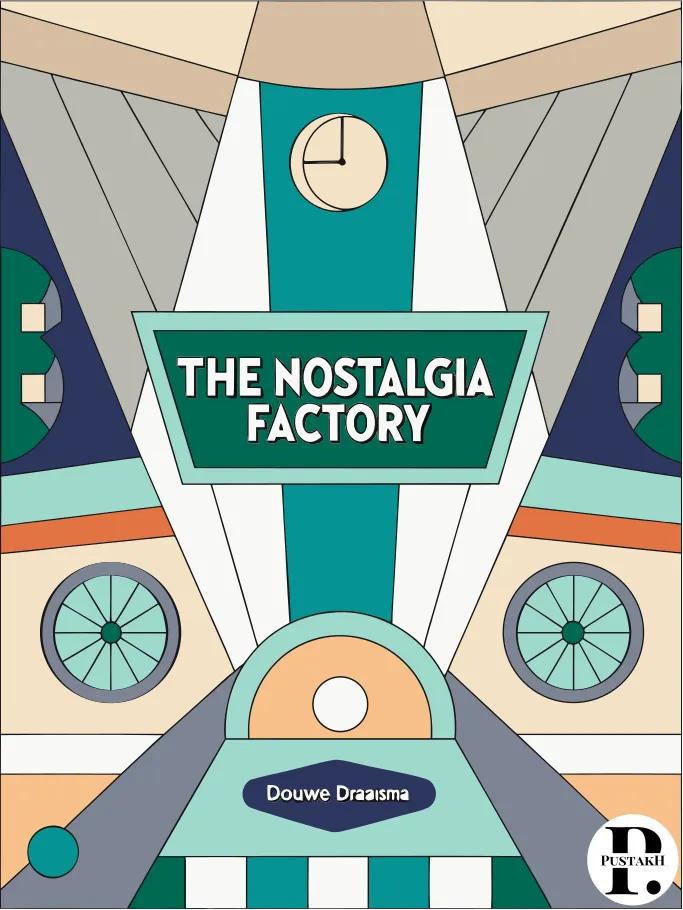
The Nostalgia Factory
by Douwe Draaisma
Memory, Time and Ageing
8
Chapters
65+
Action steps
15
Minutes
PERSONALIZED
Action steps tailored to your goals in the Pustakh app
Preview — Chapter 01: The Longest Stage
Human life has lengthened dramatically over the past century. Medical progress, improved living conditions, and better nutrition have extended life expectancy in ways earlier generations could scarcely imagine. What was once considered old age now stretches across several decades. This extended period introduces a fascinating psychological reality. Later life has become the longest stage of the human lifespan. With this expansion comes a shift in how people think about memory and aging. In earlier eras, aging was often seen as a short closing phase of life. Today, however, individuals may spend thirty years or more navigating this period. Such a long stretch invites deeper reflection about how memory behaves across these years. One striking observation is that recollections from youth often grow more prominent with age. Events that occurred decades earlier can suddenly feel vivid and emotionally charged. The mind seems to return again and again to formative years. These experiences shape identity, relationships, and the personal stories people tell about themselves. Researchers have noticed that these memories are not random. Many originate from adolescence and early adulthood, a period when individuals encounter many experiences for the first time. Friendships deepen, ambitions take shape, and major life choices begin to unfold. Because these moments carry emotional intensity and novelty, the brain records them with particular strength. At the same time, aging introduces subtle changes in cognitive functioning. Retrieving names may take longer, recalling recent plans may require effort, and attention can become more selective. Yet these changes do not simply represent decline. They also reveal the mind’s evolving priorities. Instead of storing endless details, the brain increasingly favors experiences that carry meaning. The extended stage of later life therefore reveals something profound about memory. It is not merely a system that weakens with time but one that reorganizes itself around significance. The mind gradually filters the past, preserving the events that shaped identity while allowing less important details to fade. This process creates a rich reservoir of personal history that older adults draw upon when reflecting on their lives. In this way, aging becomes less about losing memory and more about rediscovering the stories that define a lifetime.
Keep reading on PustakhYou've read the opening. Here's where it gets practical.
The remaining 7 chapters, the full audio summary, and 65+ action steps personalized to your goals unlock with a free 3-day trial.
Start free 3-day trialNo credit card required · Cancel anytime
The Nostalgia Factory summary — FAQ
What will I get from the The Nostalgia Factory summary on Pustakh?
The key ideas of "The Nostalgia Factory" by Douwe Draaisma, distilled into a roughly 15-minute read across 8 chapters, plus 65+ personalized action steps built around your goals and an optional audio version.
How long does the The Nostalgia Factory summary take?
About 15 minutes to read the full summary on Pustakh, or you can listen to the audio version.
Does The Nostalgia Factory have an audio summary?
Select Pustakh titles include audio summaries you can play in your browser, and new audio titles are added every week.
Is the The Nostalgia Factory summary free?
You can read the introduction to "The Nostalgia Factory" for free. Full access to every chapter and your personalized action steps is included with a Pustakh subscription. New accounts start with a free 3-day trial — no credit card required.
More Mindset & Psychology summaries
View all
65+ action steps from The Nostalgia Factory, tailored to your goals in Pustakh
- Tailored to your context and what you are working on
- Personalized steps per chapter, not generic checklists
- Read and listen on your schedule—then act with clarity
- Unlock the full library with a simple subscription
We'll set it up as we learn what you're working on.