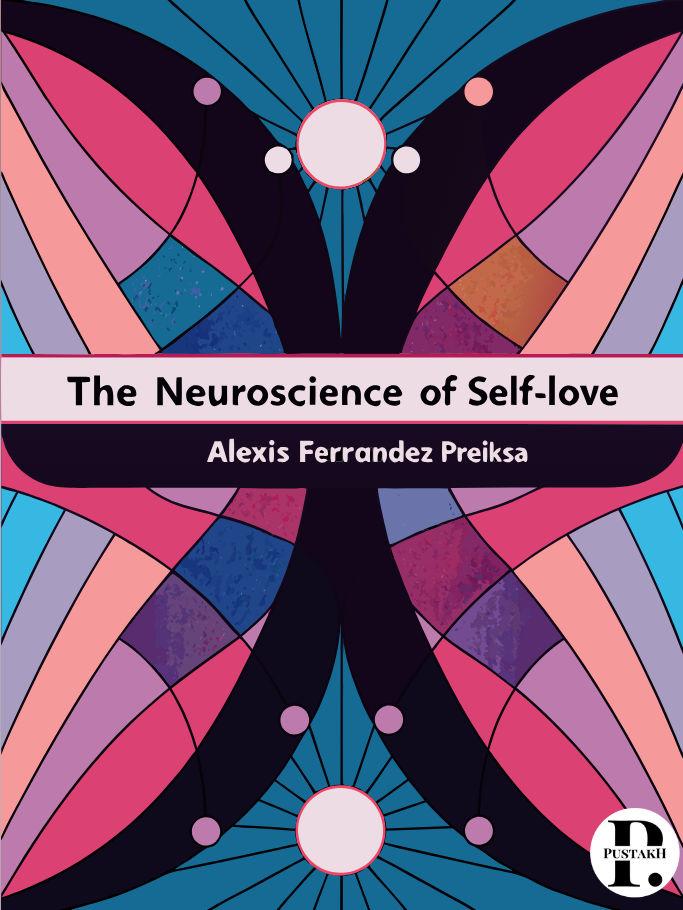
The Neuroscience of Self‑Love
by Alexis Fernandez‑Preiksa
How to improve your most important relationship
29
Chapters
222+
Action steps
21
Minutes
PERSONALIZED
Action steps tailored to your goals in the Pustakh app
Preview — Chapter 01: What Is Self-Love?
Self love is often confused with self esteem, self confidence, or even selfishness, yet these ideas are very different. Confidence can rise and fall depending on achievements, appearance, or external success. Self love, however, remains much deeper because it is built on accepting your inherent worth regardless of temporary circumstances. This discussion explains that genuine self love involves caring for your physical health, protecting your emotional wellbeing, setting healthy boundaries, speaking kindly to yourself, and making choices that support your long term growth. It is not about believing you are perfect or ignoring personal weaknesses. Instead, it means recognizing that imperfections do not reduce your value as a human being. The relationship you build with yourself becomes the foundation upon which every other relationship rests. When that foundation is weak, people often seek constant validation from others. When it is strong, external approval becomes welcome but no longer essential. Self love is expressed less through what you say to yourself and more through the choices you repeatedly make on your own behalf. Every healthy boundary, every act of self care, and every compassionate thought strengthens the relationship you have with yourself. Readers are encouraged to see self love as an ongoing practice rather than a destination. Small daily actions gradually reshape beliefs about worthiness while teaching the brain that safety, respect, and kindness can come from within. Over time, this internal stability creates stronger relationships, healthier decisions, and greater resilience because self worth is no longer dependent on circumstances outside your control.
Keep reading on PustakhYou've read the opening. Here's where it gets practical.
The remaining 28 chapters, the full audio summary, and 222+ action steps personalized to your goals unlock with a free 3-day trial.
Start free 3-day trialNo credit card required · Cancel anytime
The Neuroscience of Self‑Love summary — FAQ
What will I get from the The Neuroscience of Self‑Love summary on Pustakh?
The key ideas of "The Neuroscience of Self‑Love" by Alexis Fernandez‑Preiksa, distilled into a roughly 15-minute read across 29 chapters, plus 222+ personalized action steps built around your goals and an optional audio version.
How long does the The Neuroscience of Self‑Love summary take?
About 21 minutes to read the full summary on Pustakh, or you can listen to the audio version.
Does The Neuroscience of Self‑Love have an audio summary?
Select Pustakh titles include audio summaries you can play in your browser, and new audio titles are added every week.
Is the The Neuroscience of Self‑Love summary free?
You can read the introduction to "The Neuroscience of Self‑Love" for free. Full access to every chapter and your personalized action steps is included with a Pustakh subscription. New accounts start with a free 3-day trial — no credit card required.
More Health & Wellness summaries
View all


222+ action steps from The Neuroscience of Self‑Love, tailored to your goals in Pustakh
- Tailored to your context and what you are working on
- Personalized steps per chapter, not generic checklists
- Read and listen on your schedule—then act with clarity
- Unlock the full library with a simple subscription
We'll set it up as we learn what you're working on.