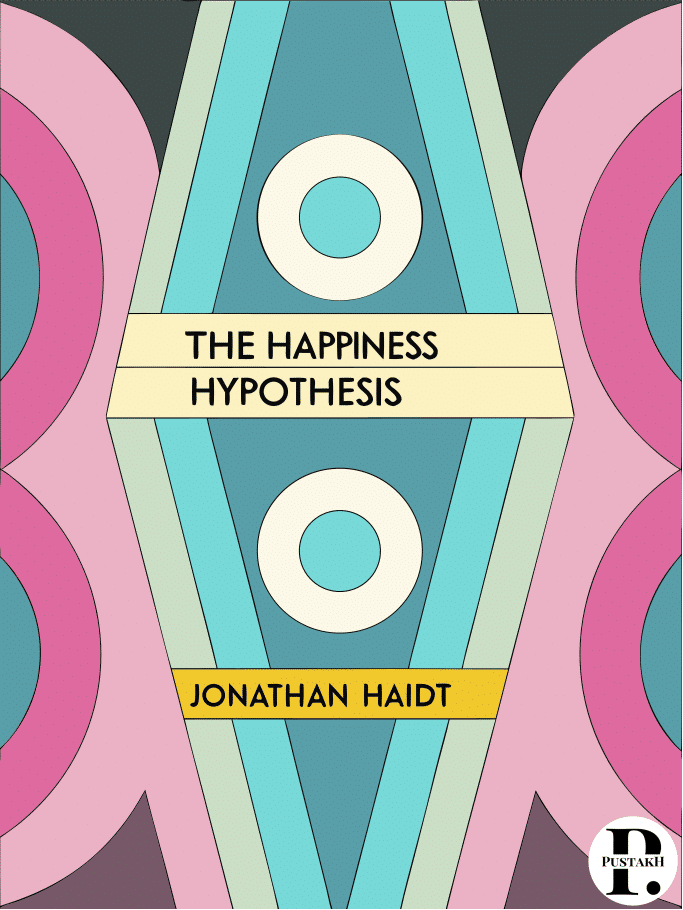
The Happiness Hypothesis
by Jonathan Haidt
Finding Modern Truth in Ancient Wisdom
10
Chapters
76+
Action steps
10
Minutes
PERSONALIZED
Action steps tailored to your goals in the Pustakh app
Preview — Chapter 01: The Divided Self
Inside every person lives a battle between two minds: the impulsive, emotional self and the rational, deliberate one. The elephant and the rider - a metaphor for our divided nature - illustrate this perfectly. The elephant (emotion) is powerful and instinctual, while the rider (reason) tries to guide it with logic. But the rider often mistakes control for influence; he can’t force the elephant to move, only persuade it. This internal tug-of-war explains why people make resolutions yet break them, desire change yet cling to comfort. True mastery comes not from overpowering the elephant but from learning how to align it with purpose and calm. Understanding your divided self unlocks compassion - for yourself and for others. Recognizing that emotion drives most behavior allows for gentler self-management instead of endless self-criticism. When reason and emotion collaborate, the mind becomes steady, decisions become wiser, and life feels less chaotic. The path to happiness starts with inner cooperation, not internal war. The key lesson is simple: your emotions aren’t your enemy; they’re the energy source your wisdom needs to steer your life forward.
Keep reading on PustakhYou've read the opening. Here's where it gets practical.
The remaining 9 chapters, the full audio summary, and 76+ action steps personalized to your goals unlock with a free 3-day trial.
Start free 3-day trialNo credit card required · Cancel anytime
The Happiness Hypothesis summary — FAQ
What will I get from the The Happiness Hypothesis summary on Pustakh?
The key ideas of "The Happiness Hypothesis" by Jonathan Haidt, distilled into a roughly 15-minute read across 10 chapters, plus 76+ personalized action steps built around your goals and an optional audio version.
How long does the The Happiness Hypothesis summary take?
About 10 minutes to read the full summary on Pustakh, or you can listen to the audio version.
Does The Happiness Hypothesis have an audio summary?
Select Pustakh titles include audio summaries you can play in your browser, and new audio titles are added every week.
Is the The Happiness Hypothesis summary free?
You can read the introduction to "The Happiness Hypothesis" for free. Full access to every chapter and your personalized action steps is included with a Pustakh subscription. New accounts start with a free 3-day trial — no credit card required.
More Mindset & Psychology summaries
View all
76+ action steps from The Happiness Hypothesis, tailored to your goals in Pustakh
- Tailored to your context and what you are working on
- Personalized steps per chapter, not generic checklists
- Read and listen on your schedule—then act with clarity
- Unlock the full library with a simple subscription
We'll set it up as we learn what you're working on.