The Gift of Failure
by Jessica Lahey
How the Best Parents Learn to Let Go so their Children can Succeed
12
Chapters
76+
Action steps
20
Minutes
PERSONALIZED
Action steps tailored to your goals in the Pustakh app
Preview — Chapter 01: How Failure Became a Dirty Word - A Brief History of American Parenting
Failure has not always carried the heavy stigma it does today. Over time, cultural shifts in parenting moved from fostering resilience toward protecting children at all costs. This transformation began with well-meaning intentions - parents wanted to shield kids from hardship and smooth their paths. But what started as love often grew into overprotection, where any misstep became something to be avoided instead of embraced. The idea of childhood as a time of learning through trial and error gradually gave way to an obsession with achievement, safety, and constant oversight. Instead of allowing natural consequences to teach lessons, modern parenting often intervenes too quickly. From controlling homework to micromanaging friendships, parents step in to manage outcomes rather than letting children handle challenges. This desire to prevent discomfort creates dependency, making kids less confident in their ability to solve problems alone. The irony is that, in removing short-term struggle, parents inadvertently limit long-term growth and adaptability. What was meant as protection often leads to fragility. The chapter traces how this cultural shift has reshaped education and family dynamics. Schools mirror these pressures by rewarding performance over process, reinforcing the idea that mistakes must be avoided at all costs. The cumulative effect is a generation less willing to take risks, more anxious about failure, and unprepared for the realities of adulthood. By understanding this history, parents can see how deeply rooted the aversion to failure has become and why changing course is so essential. The central takeaway is clear: failure became a dirty word not because it is harmful, but because parents and society redefined it as shameful. Restoring its role as a natural, necessary part of growth is the first step toward raising children who are capable, resilient, and self-reliant.
Keep reading on PustakhYou've read the opening. Here's where it gets practical.
The remaining 11 chapters, the full audio summary, and 76+ action steps personalized to your goals unlock with a free 3-day trial.
Start free 3-day trialNo credit card required · Cancel anytime
The Gift of Failure summary — FAQ
What will I get from the The Gift of Failure summary on Pustakh?
The key ideas of "The Gift of Failure" by Jessica Lahey, distilled into a roughly 15-minute read across 12 chapters, plus 76+ personalized action steps built around your goals and an optional audio version.
How long does the The Gift of Failure summary take?
About 20 minutes to read the full summary on Pustakh, or you can listen to the audio version.
Does The Gift of Failure have an audio summary?
Select Pustakh titles include audio summaries you can play in your browser, and new audio titles are added every week.
Is the The Gift of Failure summary free?
You can read the introduction to "The Gift of Failure" for free. Full access to every chapter and your personalized action steps is included with a Pustakh subscription. New accounts start with a free 3-day trial — no credit card required.
More Parenting Essentials summaries
View all
Best Friends, Worst Enemies
by Michael Thompson, Catherine O’Neill Grace, & Lawrence J. Cohen
Brain-Body Parenting
by Mona Delahooke
Calm Parents, Happy Kids
by Laura Markham
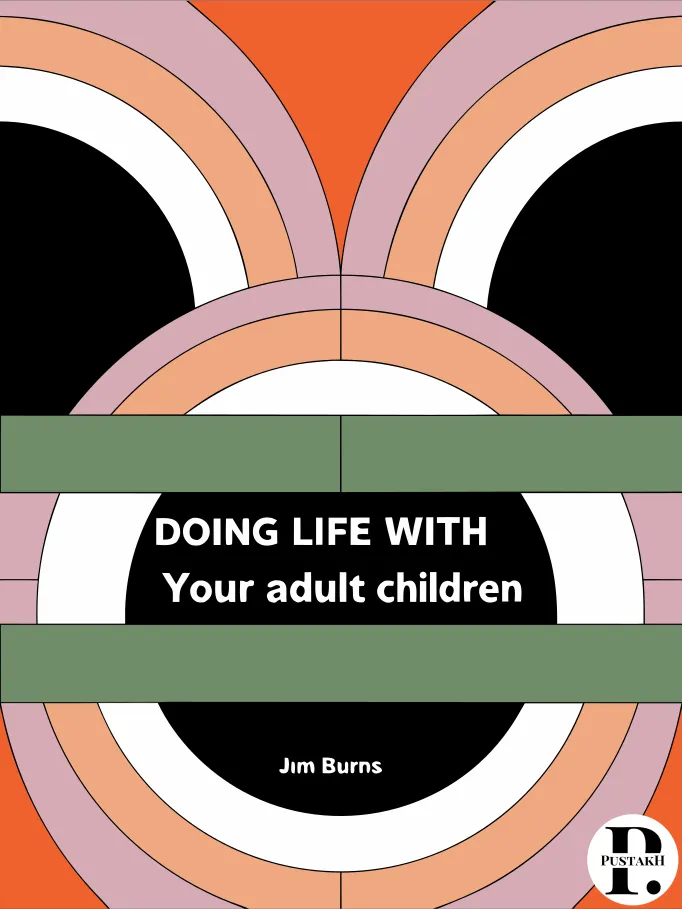
Doing Life with Your Adult Children
by Jim Burns
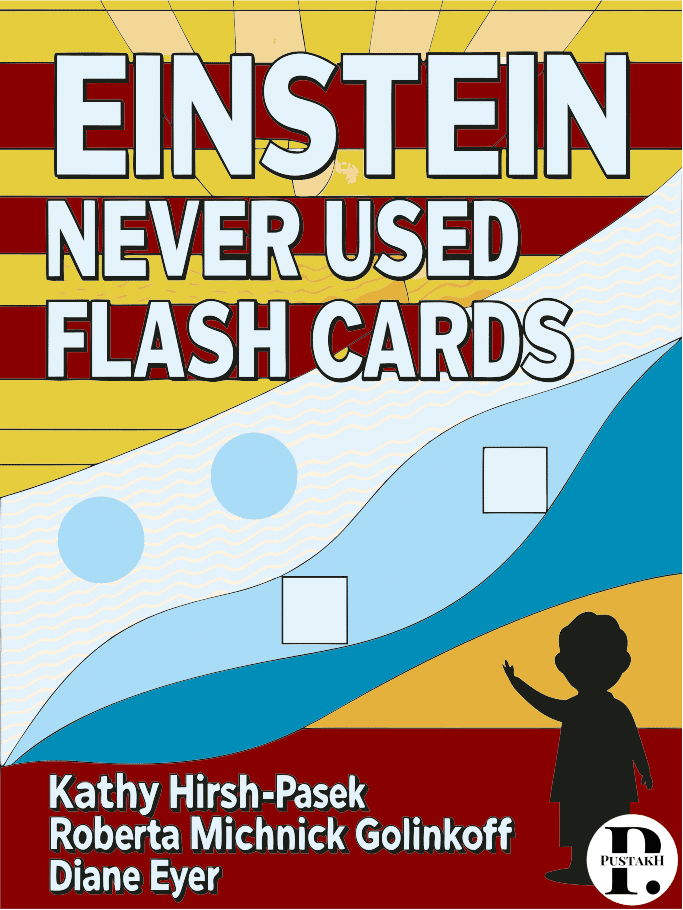
Einstein Never Used Flash Cards
by Kathy Hirsh-Pasek, Roberta Michnick Golinkoff, Diane Eyer
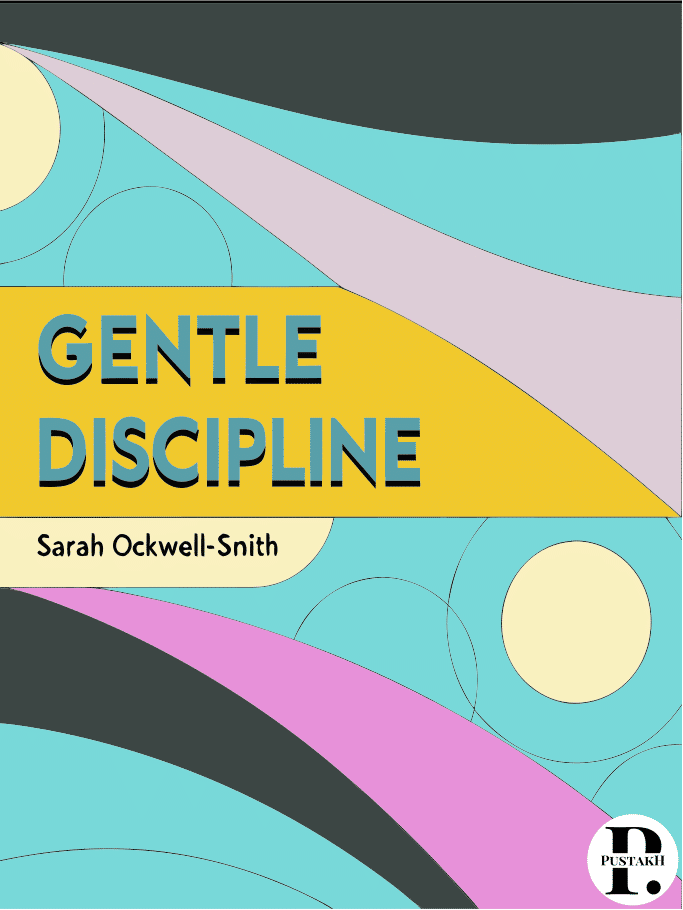
Gentle Discipline
by Sarah Ockwell-Smith
76+ action steps from The Gift of Failure, tailored to your goals in Pustakh
- Tailored to your context and what you are working on
- Personalized steps per chapter, not generic checklists
- Read and listen on your schedule—then act with clarity
- Unlock the full library with a simple subscription
We'll set it up as we learn what you're working on.