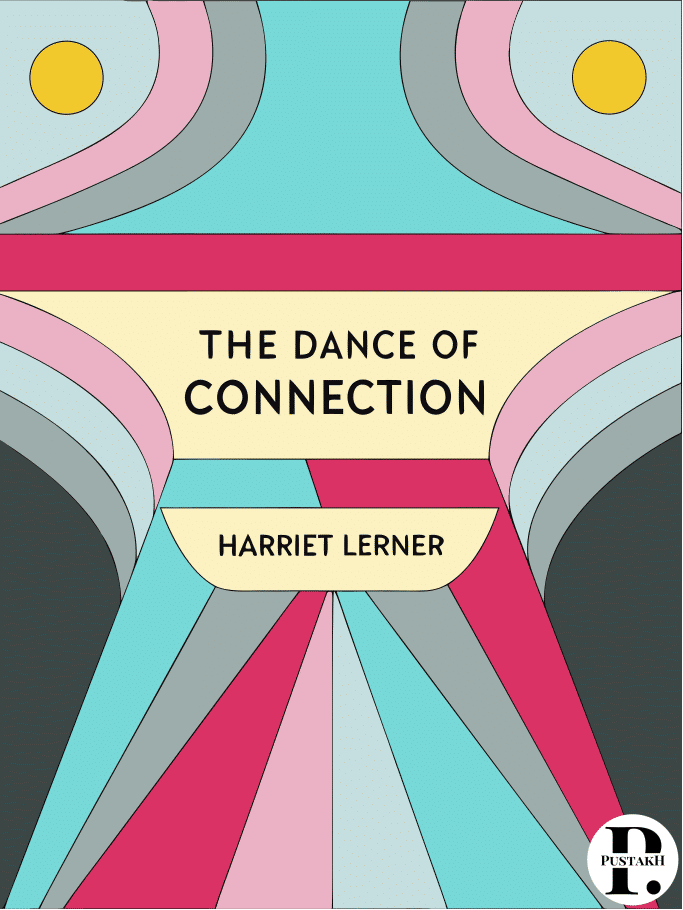
The Dance of Connection
by Harriet Lerner
How to Talk to Someone When You're Mad, Hurt, Scared, Frustrated, Insulted, Betrayed, or Desperate
15
Chapters
111+
Action steps
15
Minutes
PERSONALIZED
Action steps tailored to your goals in the Pustakh app
Preview — Chapter 01: Finding Your Voice
Speaking clearly in relationships is not a personality trait, it is a practiced skill. Many people confuse silence with kindness, believing that withholding their truth protects connection. Over time, this self-erasure leads to resentment, emotional distance, and sudden eruptions that feel confusing to everyone involved. This entry explores how losing one’s voice often happens gradually. Small accommodations accumulate. Needs are minimized. Preferences are softened. Eventually, the internal gap between what is felt and what is expressed becomes too wide to ignore. Silence stops feeling safe and starts feeling suffocating. Finding a voice does not mean becoming confrontational or harsh. It means learning to speak from a grounded place without over-explaining, blaming, or seeking permission. The challenge is not expression itself, but tolerating the discomfort that follows honest expression. A key insight here is that clarity reduces drama. When communication is direct and self-owned, it leaves less room for misinterpretation and emotional triangulation. Anxiety often escalates when messages are indirect or loaded with expectation. True connection strengthens when people stop performing and start speaking. Finding a voice is not about controlling outcomes. It is about staying present and aligned, even when the response is uncertain.
Keep reading on PustakhYou've read the opening. Here's where it gets practical.
The remaining 14 chapters, the full audio summary, and 111+ action steps personalized to your goals unlock with a free 3-day trial.
Start free 3-day trialNo credit card required · Cancel anytime
The Dance of Connection summary — FAQ
What will I get from the The Dance of Connection summary on Pustakh?
The key ideas of "The Dance of Connection" by Harriet Lerner, distilled into a roughly 15-minute read across 15 chapters, plus 111+ personalized action steps built around your goals and an optional audio version.
How long does the The Dance of Connection summary take?
About 15 minutes to read the full summary on Pustakh, or you can listen to the audio version.
Does The Dance of Connection have an audio summary?
Select Pustakh titles include audio summaries you can play in your browser, and new audio titles are added every week.
Is the The Dance of Connection summary free?
You can read the introduction to "The Dance of Connection" for free. Full access to every chapter and your personalized action steps is included with a Pustakh subscription. New accounts start with a free 3-day trial — no credit card required.
More Relationships & Social Skills summaries
View all

111+ action steps from The Dance of Connection, tailored to your goals in Pustakh
- Tailored to your context and what you are working on
- Personalized steps per chapter, not generic checklists
- Read and listen on your schedule—then act with clarity
- Unlock the full library with a simple subscription
We'll set it up as we learn what you're working on.