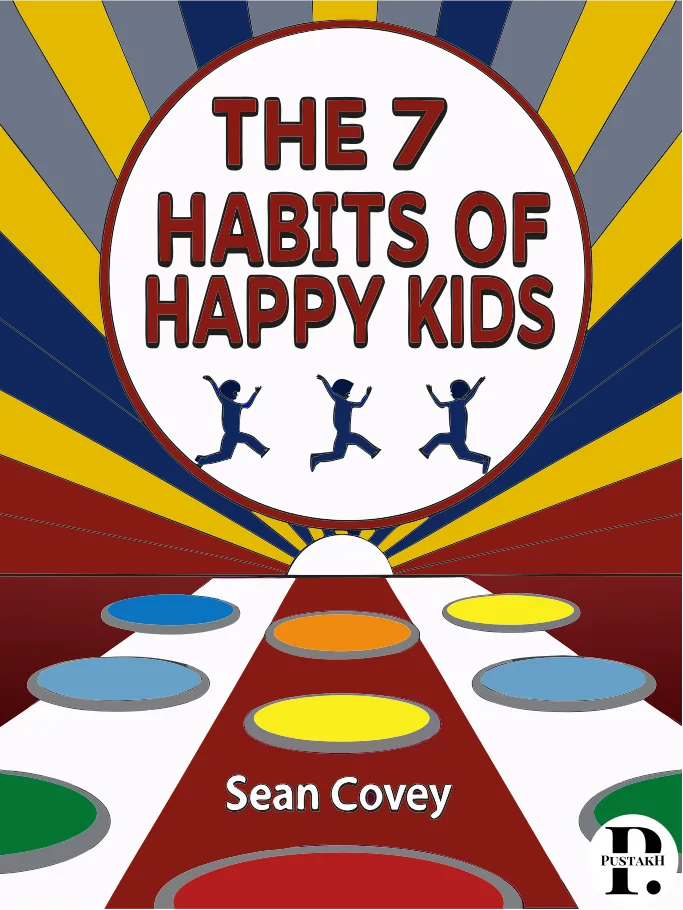
The 7 Habits of Happy Kids
by Sean Covey
A fun and engaging guide that teaches kids seven habits for building confidence, responsibility, and positive relationships.
7
Chapters
41+
Action steps
15
Minutes
PERSONALIZED
Action steps tailored to your goals in the Pustakh app
Preview — Chapter 01: Be Proactive - You're in Charge
This story centers around Sammy Squirrel, who has a rough day. Everything seems to go wrong - his friends don’t want to play, he gets in trouble with his mom, and his afternoon plans fall apart. Sammy feels frustrated and blames everyone else for how his day turned out. But with a little reflection and guidance, he learns a powerful truth: he is in charge of his choices, and how he responds makes all the difference. The core message here is the essence of being proactive. It means taking responsibility for your actions, moods, and responses - no matter what’s happening around you. Instead of blaming others, reacting impulsively, or giving up when things get tough, being proactive helps kids pause, choose how to respond, and focus on what they can control. Through Sammy’s experience, kids learn that life doesn’t always go their way - but they always have power over their attitude. They may not choose what happens to them, but they can choose how they respond. This mindset gives them a sense of control and inner strength, even when the world feels uncertain. Proactive kids don't say, “He made me mad” or “It’s not fair.” Instead, they learn to say things like, “I can choose to stay calm” or “What can I do to fix this?” This builds emotional intelligence and resilience - especially helpful when dealing with friendship drama, school pressure, or family rules. Another important part of being proactive is making good choices before problems arise. Instead of waiting until the last minute or reacting with frustration, kids can practice thinking ahead - preparing for a test early, packing their backpack the night before, or choosing kind words instead of angry ones. By the end of the story, Sammy realizes that being in charge of his choices makes him feel proud and more in control of his day. And that’s the deeper goal: helping children see that happiness doesn’t come from everything going right - it comes from choosing how to respond when things go wrong. The story offers a fun, gentle introduction to one of life’s most powerful lessons: you are not a victim of your circumstances - you are the driver of your choices. That’s where real happiness and confidence begin.
Keep reading on PustakhYou've read the opening. Here's where it gets practical.
The remaining 6 chapters, the full audio summary, and 41+ action steps personalized to your goals unlock with a free 3-day trial.
Start free 3-day trialNo credit card required · Cancel anytime
The 7 Habits of Happy Kids summary — FAQ
What will I get from the The 7 Habits of Happy Kids summary on Pustakh?
The key ideas of "The 7 Habits of Happy Kids" by Sean Covey, distilled into a roughly 15-minute read across 7 chapters, plus 41+ personalized action steps built around your goals and an optional audio version.
How long does the The 7 Habits of Happy Kids summary take?
About 15 minutes to read the full summary on Pustakh, or you can listen to the audio version.
Does The 7 Habits of Happy Kids have an audio summary?
Select Pustakh titles include audio summaries you can play in your browser, and new audio titles are added every week.
Is the The 7 Habits of Happy Kids summary free?
You can read the introduction to "The 7 Habits of Happy Kids" for free. Full access to every chapter and your personalized action steps is included with a Pustakh subscription. New accounts start with a free 3-day trial — no credit card required.
More Kids & Growth summaries
View all
Being You
by Catharine Hannay
Do Hard Things
by Alex & Brett Harris
Just As You Are
by Michelle Skeen & Kelly Skeen
Mindsets in the Classroom
by Mary Cay Ricci
The 6 Most Important Decisions You'll Ever Make
by Sean Covey
The 7 Habits of Highly Effective Teens
by Sean Covey
41+ action steps from The 7 Habits of Happy Kids, tailored to your goals in Pustakh
- Tailored to your context and what you are working on
- Personalized steps per chapter, not generic checklists
- Read and listen on your schedule—then act with clarity
- Unlock the full library with a simple subscription
We'll set it up as we learn what you're working on.