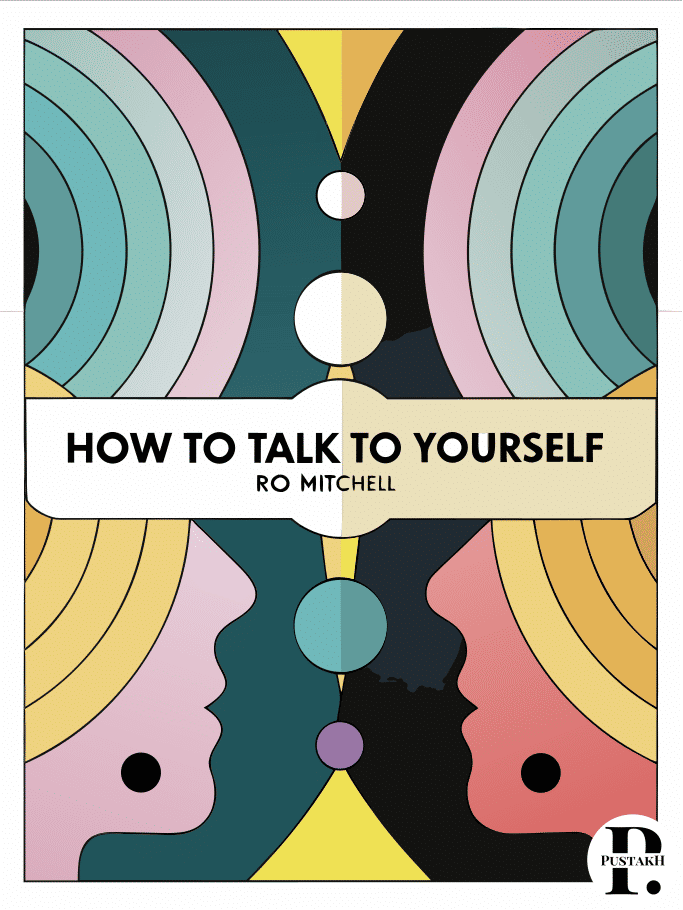
How to Talk to Yourself
by Ro Mitchell
From Self‑Doubt to Self‑Confidence
15
Chapters
112+
Action steps
15
Minutes
PERSONALIZED
Action steps tailored to your goals in the Pustakh app
Preview — Chapter 01: Confronting Negative Self-Talk
Negative self talk often develops so gradually that it begins to feel completely normal. Small thoughts such as believing you are not capable enough or assuming failure before you even begin quietly become part of your daily routine. Over time, these repeated messages influence how you approach opportunities, relationships, and personal goals. The discussion encourages readers to slow down and notice these thoughts instead of accepting them as facts. Many of these beliefs were shaped by past experiences, criticism, or unrealistic expectations rather than reality. Once they are identified, they can finally be questioned. You cannot change an inner conversation until you become aware that it is happening. Rather than replacing every negative thought with forced positivity, readers are encouraged to respond with balanced and truthful statements. This creates room for confidence to grow while reducing the influence of automatic self criticism.
Keep reading on PustakhYou've read the opening. Here's where it gets practical.
The remaining 14 chapters, the full audio summary, and 112+ action steps personalized to your goals unlock with a free 3-day trial.
Start free 3-day trialNo credit card required · Cancel anytime
How to Talk to Yourself summary — FAQ
What will I get from the How to Talk to Yourself summary on Pustakh?
The key ideas of "How to Talk to Yourself" by Ro Mitchell, distilled into a roughly 15-minute read across 15 chapters, plus 112+ personalized action steps built around your goals and an optional audio version.
How long does the How to Talk to Yourself summary take?
About 15 minutes to read the full summary on Pustakh, or you can listen to the audio version.
Does How to Talk to Yourself have an audio summary?
Select Pustakh titles include audio summaries you can play in your browser, and new audio titles are added every week.
Is the How to Talk to Yourself summary free?
You can read the introduction to "How to Talk to Yourself" for free. Full access to every chapter and your personalized action steps is included with a Pustakh subscription. New accounts start with a free 3-day trial — no credit card required.
More Personal Development summaries
View all

112+ action steps from How to Talk to Yourself, tailored to your goals in Pustakh
- Tailored to your context and what you are working on
- Personalized steps per chapter, not generic checklists
- Read and listen on your schedule—then act with clarity
- Unlock the full library with a simple subscription
We'll set it up as we learn what you're working on.