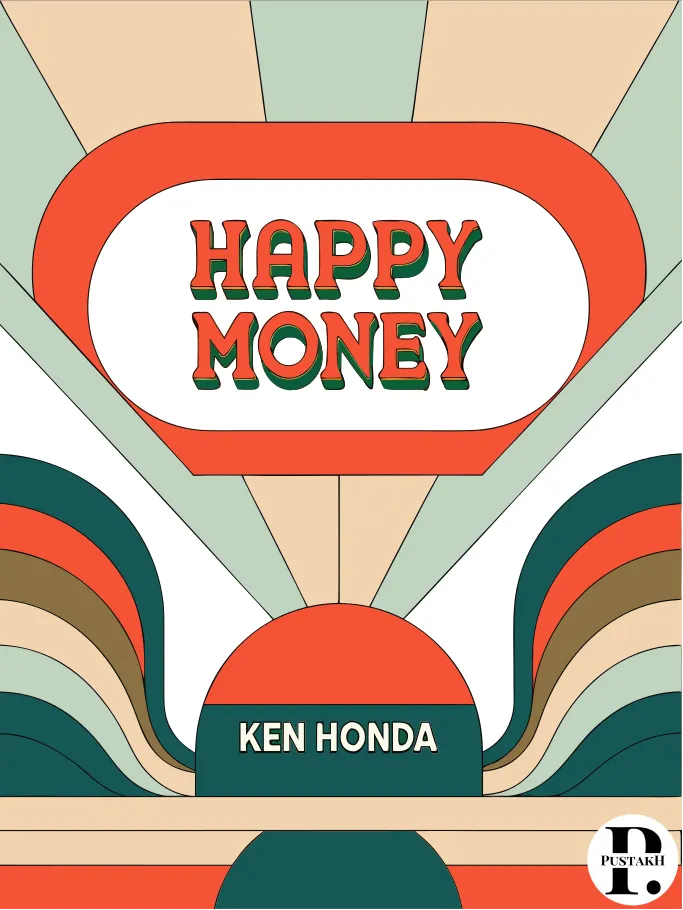
Happy Money
by Ken Honda
The Japanese Art of Making Peace with Your Money
5
Chapters
40+
Action steps
8
Minutes
PERSONALIZED
Action steps tailored to your goals in the Pustakh app
Preview — Chapter 01: What Does Money Mean to You?
Every financial decision is guided by an invisible belief system formed long before adulthood. These beliefs develop through observation, repetition, and emotional memory. Family attitudes, cultural messages, and early experiences with scarcity or abundance all contribute to an internal definition of what money represents. This definition operates quietly, influencing behavior even when circumstances change. Money can come to symbolize safety, power, love, freedom, or control. When meaning remains unconscious, patterns repeat automatically. Overspending, hoarding, avoidance, or constant worry are not moral failings but expressions of unresolved meaning. Even financial success can feel hollow when money is tied to fear or self-worth. The emotional story behind money determines satisfaction far more than numbers do. Bringing awareness to these meanings creates a turning point. Once beliefs are seen clearly, they can be questioned and reshaped. Money begins to lose its emotional charge and becomes easier to handle with intention. Clarity replaces confusion, allowing financial choices to reflect present values rather than past conditioning.
Keep reading on PustakhYou've read the opening. Here's where it gets practical.
The remaining 4 chapters, the full audio summary, and 40+ action steps personalized to your goals unlock with a free 3-day trial.
Start free 3-day trialNo credit card required · Cancel anytime
Happy Money summary — FAQ
What will I get from the Happy Money summary on Pustakh?
The key ideas of "Happy Money" by Ken Honda, distilled into a roughly 15-minute read across 5 chapters, plus 40+ personalized action steps built around your goals and an optional audio version.
How long does the Happy Money summary take?
About 8 minutes to read the full summary on Pustakh, or you can listen to the audio version.
Does Happy Money have an audio summary?
Select Pustakh titles include audio summaries you can play in your browser, and new audio titles are added every week.
Is the Happy Money summary free?
You can read the introduction to "Happy Money" for free. Full access to every chapter and your personalized action steps is included with a Pustakh subscription. New accounts start with a free 3-day trial — no credit card required.
More Finance & Wealth summaries
View all
Building Your Money Machine
by Mel H. Abraham
Common Stocks and Uncommon Profits
by Philip A. Fisher
Die with Zero
by Bill Perkins
Financial Freedom
by Grant Sabatier
From Zero to Millionaire
by Nicolas Bérubé

Ground Rules
by Jeremy C. Miller
40+ action steps from Happy Money, tailored to your goals in Pustakh
- Tailored to your context and what you are working on
- Personalized steps per chapter, not generic checklists
- Read and listen on your schedule—then act with clarity
- Unlock the full library with a simple subscription
We'll set it up as we learn what you're working on.