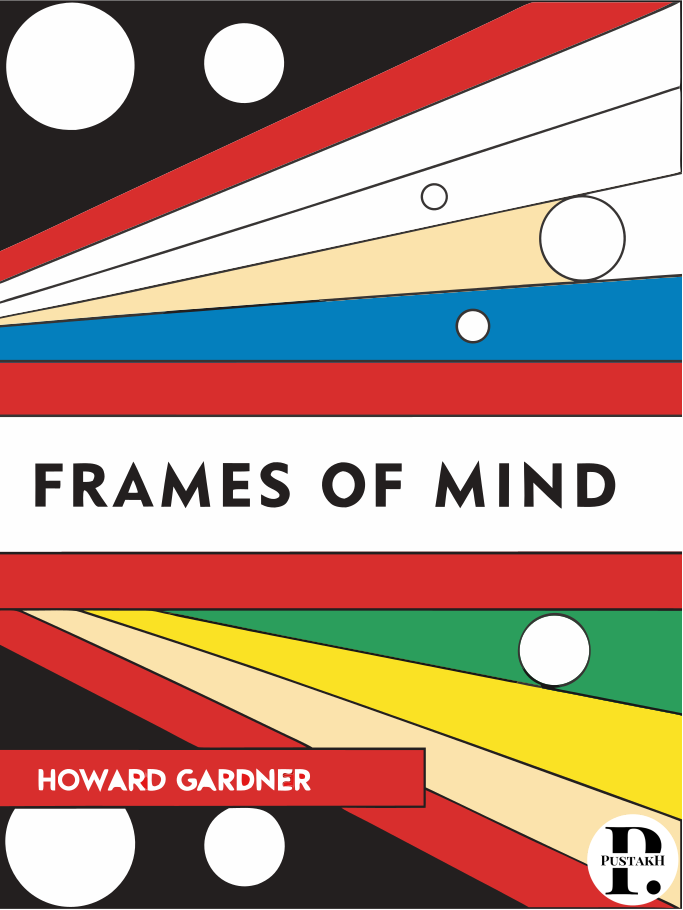
Frames of Mind
by Howard Gardner
The Theory of Multiple Intelligences
14
Chapters
103+
Action steps
12
Minutes
PERSONALIZED
Action steps tailored to your goals in the Pustakh app
Preview — Chapter 01: The Idea of Multiple Intelligences
Start with a human reality: different tasks feel “natural” to different people. Some hear structure in sound, others see it in space; some reason in symbols, others in stories; some lead with empathy, others with introspection. Rather than treating these as mere “talents” orbiting a single sun called IQ, the model recasts them as distinct forms of problem-solving and meaning-making. Each one can be strong, weak, or trainable; each one shows up across cultures and ages; each one solves real problems that communities value. Intelligence, in this view, is the capacity to create effective responses within a domain - to compose, to calculate, to navigate, to empathize, to self-govern. The idea also rejects one-size-fits-all measurement. A single test administered in a narrow context cannot capture a mind’s range any more than a snapshot captures a life. Instead of ranking people on one ladder, the invitation is to map profiles: combinations of strengths that explain why a child who struggles with grammar might excel at design, or why a quiet student reads themselves and others with uncanny acuity. This reframing doesn’t flatten standards; it diversifies them. Excellence still matters - it’s just defined appropriately for the domain. When intelligence becomes many, potential multiplies - not because anything counts, but because more kinds of real competence finally do.
Keep reading on PustakhYou've read the opening. Here's where it gets practical.
The remaining 13 chapters, the full audio summary, and 103+ action steps personalized to your goals unlock with a free 3-day trial.
Start free 3-day trialNo credit card required · Cancel anytime
Frames of Mind summary — FAQ
What will I get from the Frames of Mind summary on Pustakh?
The key ideas of "Frames of Mind" by Howard Gardner, distilled into a roughly 15-minute read across 14 chapters, plus 103+ personalized action steps built around your goals and an optional audio version.
How long does the Frames of Mind summary take?
About 12 minutes to read the full summary on Pustakh, or you can listen to the audio version.
Does Frames of Mind have an audio summary?
Select Pustakh titles include audio summaries you can play in your browser, and new audio titles are added every week.
Is the Frames of Mind summary free?
You can read the introduction to "Frames of Mind" for free. Full access to every chapter and your personalized action steps is included with a Pustakh subscription. New accounts start with a free 3-day trial — no credit card required.
More Learning & Skill Development summaries
View all
12 Books That Changed the World
by Melvyn Bragg
21 Lessons for the 21st Century
by Yuval Noah Harari

Actionable Gamification
by Yu-kai Chou
A Mind for Numbers
by Barbara Oakley
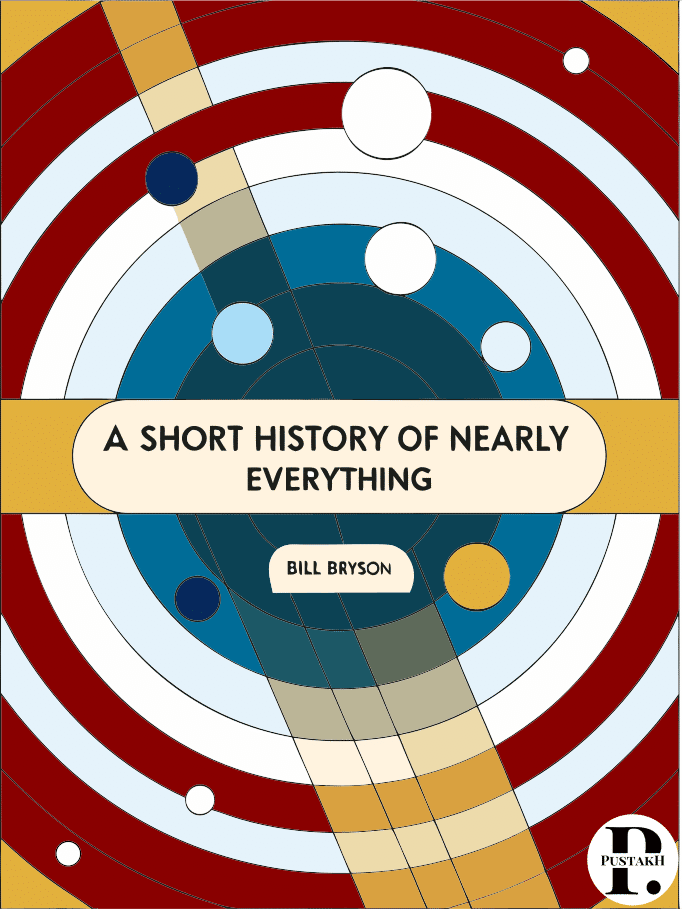
A Short History of Nearly Everything
by Bill Bryson
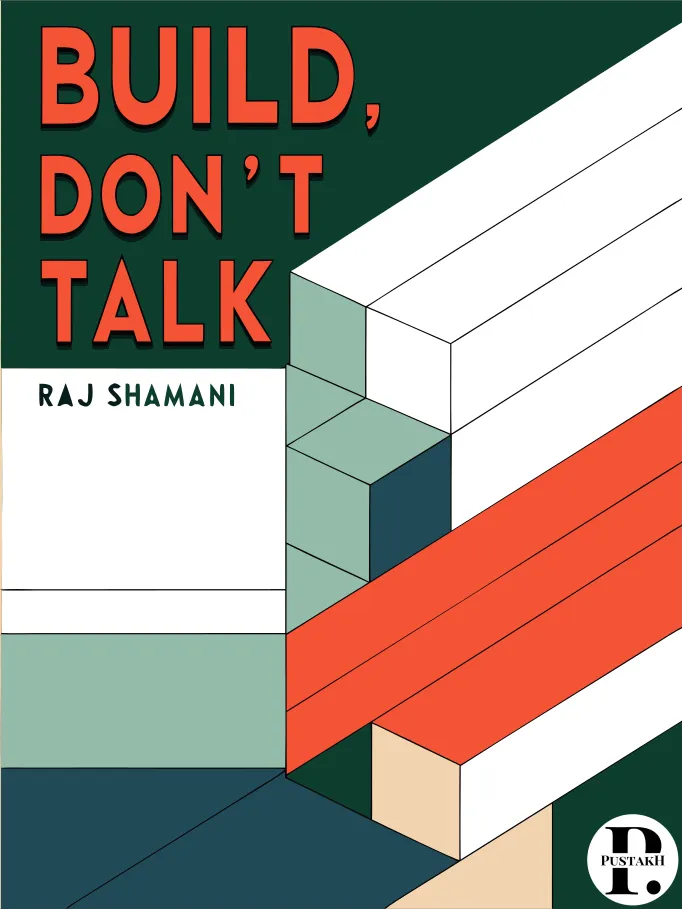
Build, Don’t Talk
by Raj Shamani
103+ action steps from Frames of Mind, tailored to your goals in Pustakh
- Tailored to your context and what you are working on
- Personalized steps per chapter, not generic checklists
- Read and listen on your schedule—then act with clarity
- Unlock the full library with a simple subscription
We'll set it up as we learn what you're working on.