
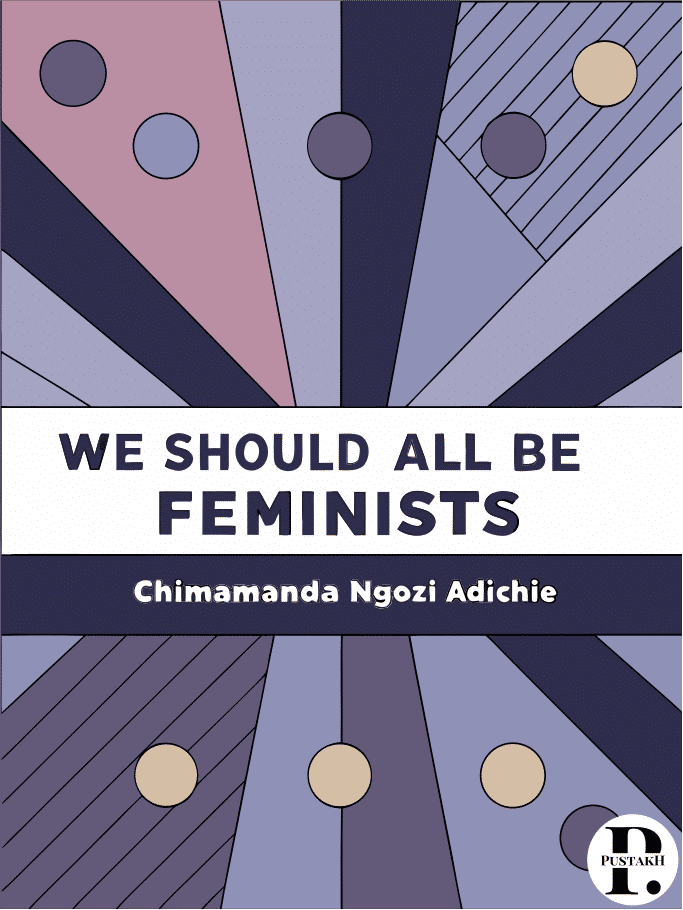
We Should All Be Feminists
by Chimamanda Ngozi Adichie
A Powerful Essay on Modern Feminism and Gender Equality
1
Chapters
15+
Action steps
5
Minutes
AI PERSONALISED
Action steps tailored to your goals in the Pustakh app
Preview — Chapter 01: We Should All Be Feminists
The heart of the essay unfolds like a series of stories woven together—moments of childhood, friendships, workplace experiences, and everyday interactions that reveal how gender shapes people’s lives in ways they rarely recognize. The tone is warm and conversational, almost as if someone is sitting across from you sharing memories that are funny, painful, surprising, and relatable all at once. As these stories accumulate, a pattern emerges: girls are encouraged to shrink, to soften their accomplishments, to be liked instead of respected, while boys are encouraged to take up space, show confidence, and move freely without apology. None of this is presented with anger; instead, it is shown with clarity, making the impact feel undeniable but also fixable. The narrative brings you into moments that reveal how cultural expectations shape behavior long before adulthood. Girls learn to be careful about how they speak, dress, and act, while boys often receive more freedom and more forgiveness. What makes these observations powerful is how ordinary they feel. You begin recognizing these patterns in your own memories—schoolyard dynamics, family gatherings, job interviews, conversations with friends—and realize how deeply gender stories seep into daily life. The emotional core emerges in how these expectations limit potential. Women are often praised for endurance rather than ambition, for helpfulness rather than leadership, for sacrifice rather than desire. Meanwhile, men are taught to fear vulnerability, to suppress softness, or to define their worth through dominance. The essay shows that inequality harms everyone—not just women—and that gender roles become cages disguised as culture. There’s also a powerful exploration of how language shapes perception. When the word “feminist” is misunderstood or distorted, people avoid it even when they believe deeply in equality. The narrative dismantles these misunderstandings, presenting feminism as a simple, universal belief in fairness. You’re invited to reclaim the word without fear, embarrassment, or hesitation, redefining it as something deeply human rather than political or confrontational. By the end of this section, the message becomes undeniable: gender norms don’t collapse on their own. They shift when people question them, when individuals challenge small daily assumptions, when fairness becomes a shared value rather than a women’s issue. The tone remains hopeful and grounded, reminding you that change begins in conversations, choices, and moments of courage. You walk away seeing equality less as an ideal and more as a practical, compassionate way to treat others—and yourself.
Keep reading in Pustakh15+ action steps from We Should All Be Feminists, tailored to your goals in Pustakh
- Tailored to your context and what you are working on
- AI-generated steps per chapter, not generic checklists
- Read and listen on your schedule—then act with clarity
- Unlock the full library with a simple subscription
Cancel anytime in one click.